
Welcome!
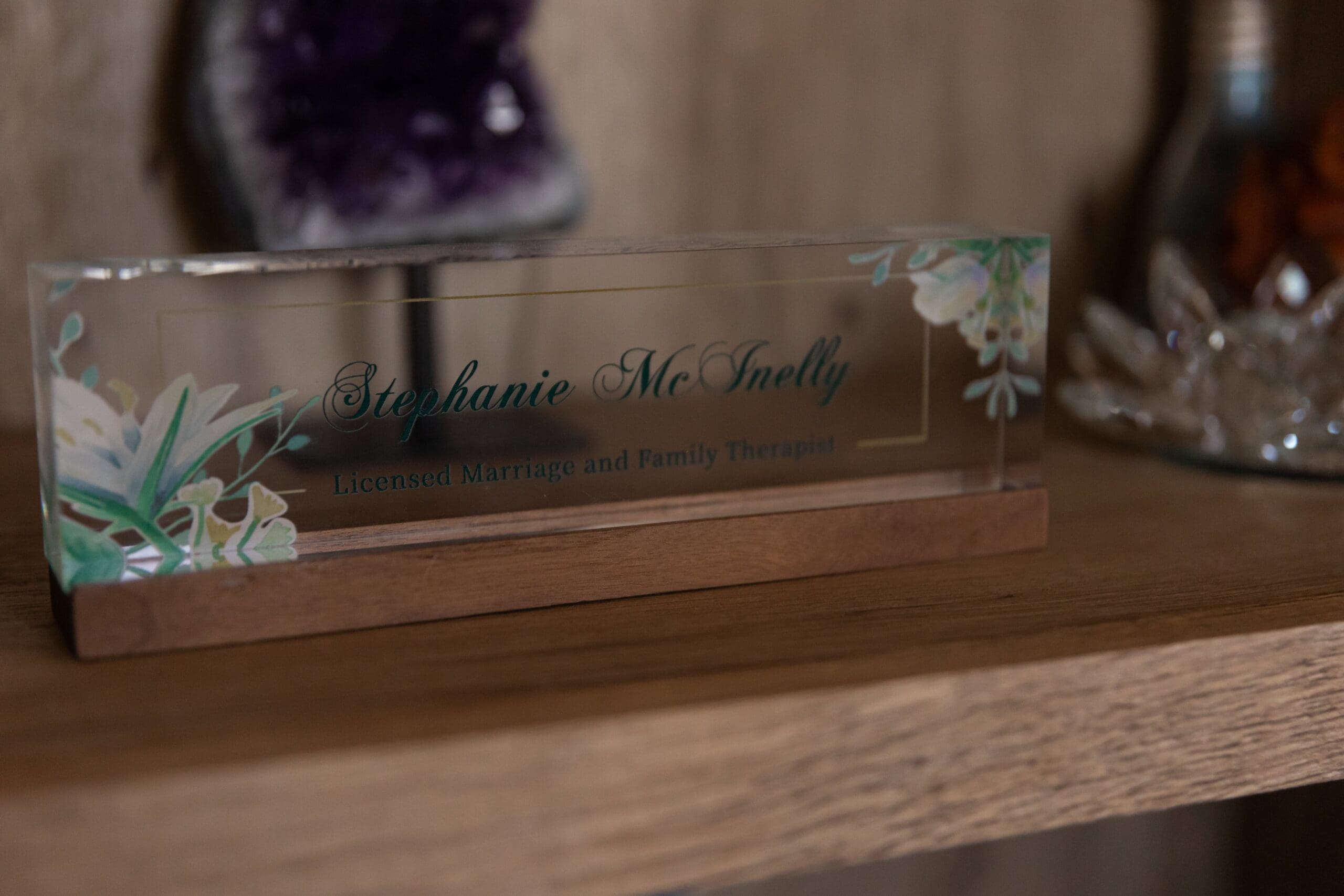
Welcome to my small corner of the internet.
I hope this becomes a place where I can share honest reflections and where, through reading them, you find something worth sitting with.
This space exists because of the work I’ve done, the people I’ve sat across from, and the questions I couldn’t stop asking.
I began my career as a marriage and family therapist in community mental health in Tacoma, Washington. I worked in many different settings with a wide range of clients, but the population that left the deepest and most lasting impression on me was men.
I was struck, not by resistance, but by willingness.
I worked with men from every background imaginable: men with felony histories, men on probation, gang-involved men, unhoused men, men struggling with substance use, queer men, autistic men, Spanish-speaking men, men in their teens, and men well into their later years. What stayed with me wasn’t their diagnoses or circumstances; it was the fact that they showed up.
Many of them had never been asked to reflect on their experiences or how those experiences shaped their lives. And yet, when given the space, they leaned in. They tried. They were curious. They were willing.
I realized quickly that men are rarely given credit for this.
As a woman, I was conditioned, like many women, to believe that men are inherently unsafe. That we should be cautious, guarded, and wary. And to be clear, history gives women plenty of reason for that caution.
But what I witnessed in those therapy rooms complicated the story.
I saw men who had never been taught how to feel, how to soften, or how to turn toward themselves with compassion, yet deeply wanted to. I saw men who had learned to survive by shutting down parts of themselves, not because they were incapable of love or empathy, but because they were never given permission to access it.
Therapy became one of the only places where they were allowed to explore their inner world, often quietly, often awkwardly, and usually without language for what they were doing.
Much of the men’s mental health space is led by men, and that matters. There is real value in men seeing themselves reflected in the work and learning from other men who model emotional presence.
There is also value in something different.
As a woman, my role is not to tell men how to be men. It is to hold and model balance, compassion, and emotional safety. Many men have spent their lives in environments where softness was discouraged or punished. Being met with steadiness rather than judgment can be a powerful and unfamiliar experience.
I’ve watched men slow down, reflect, and open, not because they were pushed, but because they were met. This work is relational. And relationship is where healing happens.
My presence in this space is intentional. It offers men the opportunity to experience connection and empathy without being asked to abandon their strength.
When I opened my private practice, I initially focused on working with women who felt dissatisfied in their relationships. The goal was to help them build self-worth and fulfillment regardless of how their partners showed up.
That work mattered, but something about it felt forced.
It didn’t sit right with me to ask women to continue doing more emotional labor to feel okay when so many of them were already carrying the weight of their relationships. In many cases, their suffering wasn’t because they lacked self-love; it was because their partners were emotionally unavailable.
And that’s where the real work is.
Men are rarely allowed (even for an hour) to explore a softer, more connected version of themselves. Not because they don’t want to, but because they’ve been taught not to.
From a young age, boys are told to “toughen up,” that “boys don’t cry,” and that being “soft” is something to avoid. Emotional expression, anything beyond anger or frustration, is often labeled as weakness.
Over time, this disconnects men from their bodies, their emotions, their partners, their children, and themselves.
Not because they lack depth, but because they were never shown how to access it safely.
My hope is to create a space where men feel invited, not pressured, to explore parts of themselves they may have ignored or buried for years, even if that exploration happens quietly and privately.
I want men to feel seen for the value they bring into the world.
We need men.
And more than that, we need men who are grounded, emotionally connected, compassionate, and present.
We need men who are willing to feel.
This is the work.
Stephanie
January 20, 2026
Leave a Reply Cancel reply
brand and website design by mad impact design
4669 N. Commerce Dr, STE 4A, Sierra Vista, AZ 85635
stephanie@stephaniemcinelly.com
privacy policy
terms & conditions


Hi, this is a comment.
To get started with moderating, editing, and deleting comments, please visit the Comments screen in the dashboard.
Commenter avatars come from Gravatar.